What Is Ham Radio Actually Like? An Honest Look at the Day-to-Day Experience
What Is Ham Radio Like

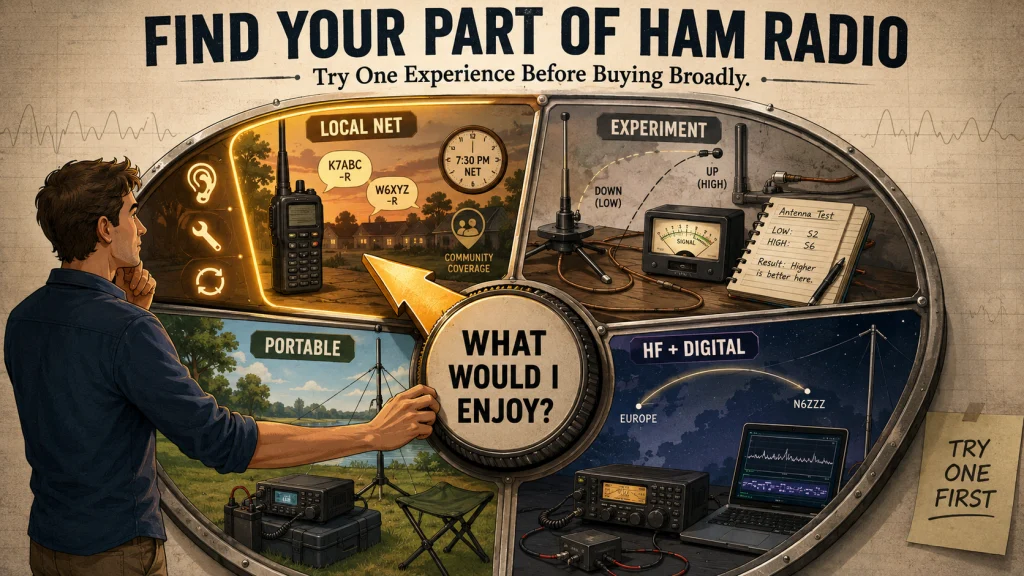
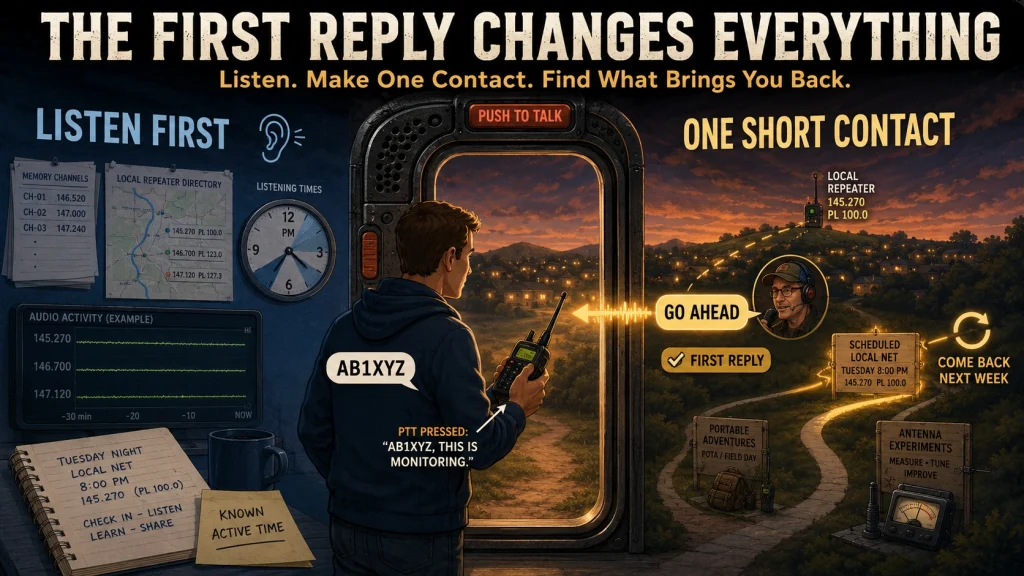
Ham radio feels less like owning one device and more like entering a collection of small operating worlds. Your first weeks are usually spent listening, learning when local activity happens, and working up the nerve to make a short contact. Some operators settle into local conversations, while others prefer HF, digital modes, portable operating, or … Read more
Ham Radio vs Other Radio Services: CB, FRS, and Interoperability

Ham Radio Vs Other Radio Services

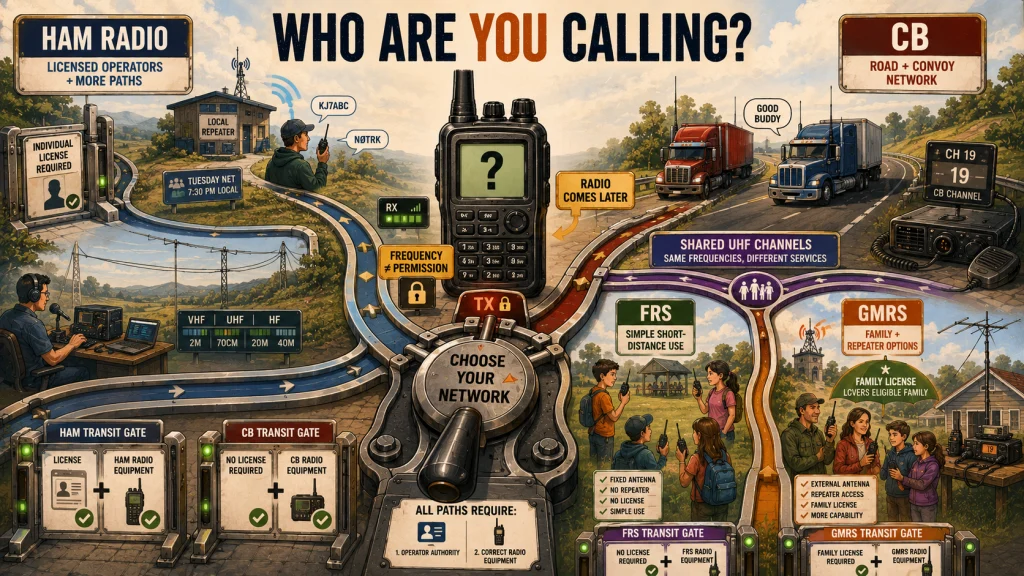
Ham radio, GMRS, FRS, and CB can all put a voice over the air, but they are not interchangeable versions of the same service. The right choice starts with the people you need to reach and the radio network they already use, then moves to licensing, legal equipment, antennas, and operating conditions. CB fits established … Read more

Ham Radio Programming Guide: CHIRP, Front-Panel Entry, Repeater Data, and Tone Settings

Ham Radio Programming Guide

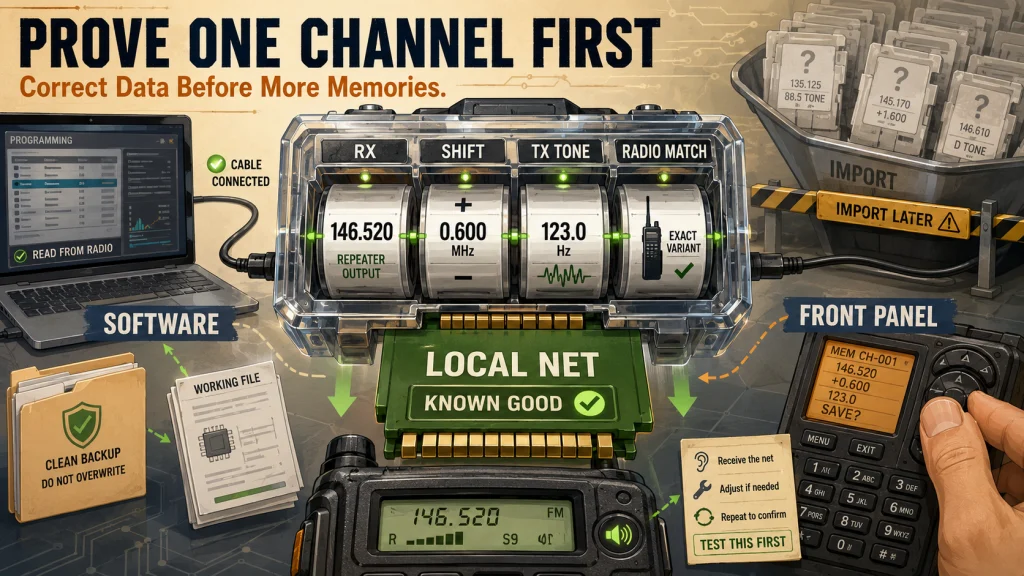
A reliable ham radio programming guide should start with the radio and the repeater data, not with the software. Confirm the exact radio variant, choose CHIRP or front-panel entry based on what that radio supports, and verify the repeater’s output, offset, and access tone before saving anything. Program and test one channel first, keep a … Read more

Best Handheld Ham Radio: Match the Right HT to Your Budget and Use

Best Handheld Ham Radio

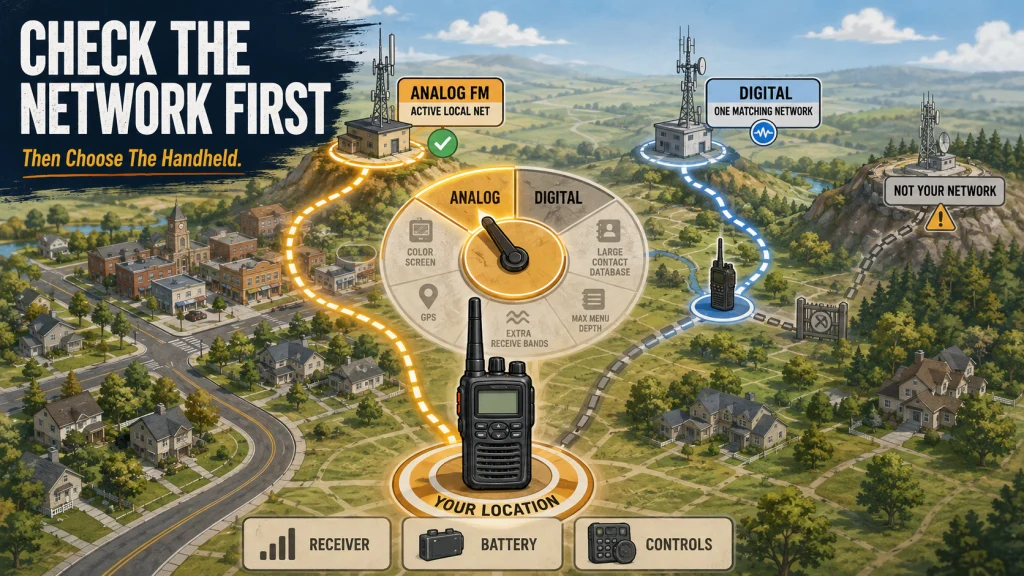
The best handheld ham radio is the one that fits the communication you can actually make in your area, not the one with the longest feature list. Start by deciding between analog FM and a specific digital voice system, then judge the radio by receiver behavior, controls, battery support, environmental claims, and local repeater compatibility. … Read more

How to Get Your Ham Radio Technician License: The Complete Step-by-Step Process

How To Get Ham Radio Technician License

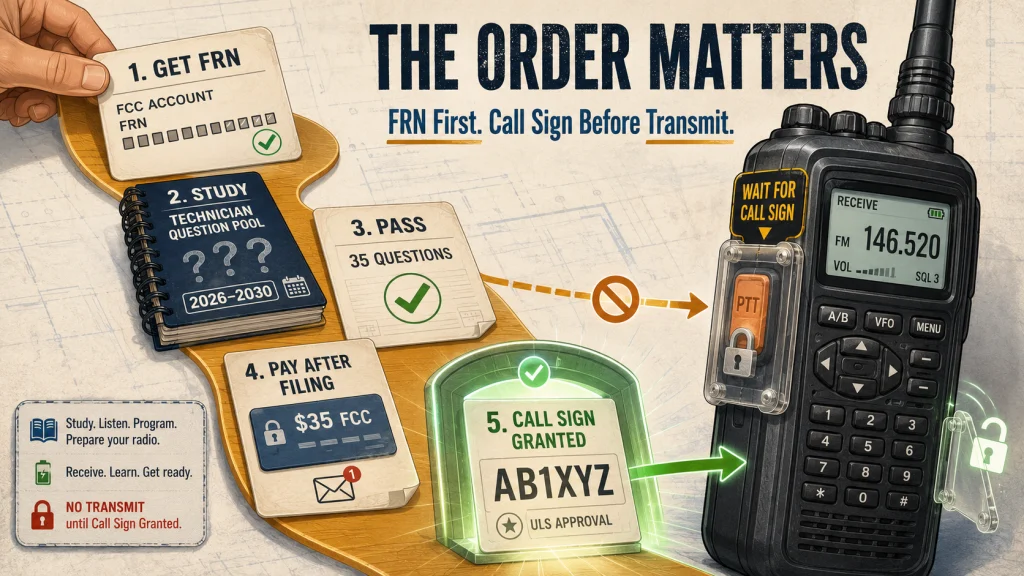
Getting a ham radio Technician license takes five steps in a fixed order: obtain an FCC Registration Number, study the current question pool, register for an exam session, pass the exam, and complete the FCC payment process. The part most beginners miss is that the FRN comes before the test, while the $35 FCC application … Read more

Ham Radio as a Hobby: What It Is, Why People Do It, and Whether It Fits Your Life

Ham Radio As A Hobby

Ham radio as a hobby is less like buying one gadget and more like choosing a direction you want to explore. One operator may spend an evening listening to a local repeater, another may join a scheduled net, and someone else may take a compact station outdoors or experiment with an antenna. The hobby fits … Read more

The Ham Radio Question I Wish Someone Had Asked Me When I Started

The Ham Radio Question I Wish Someone Asked Me When I Started

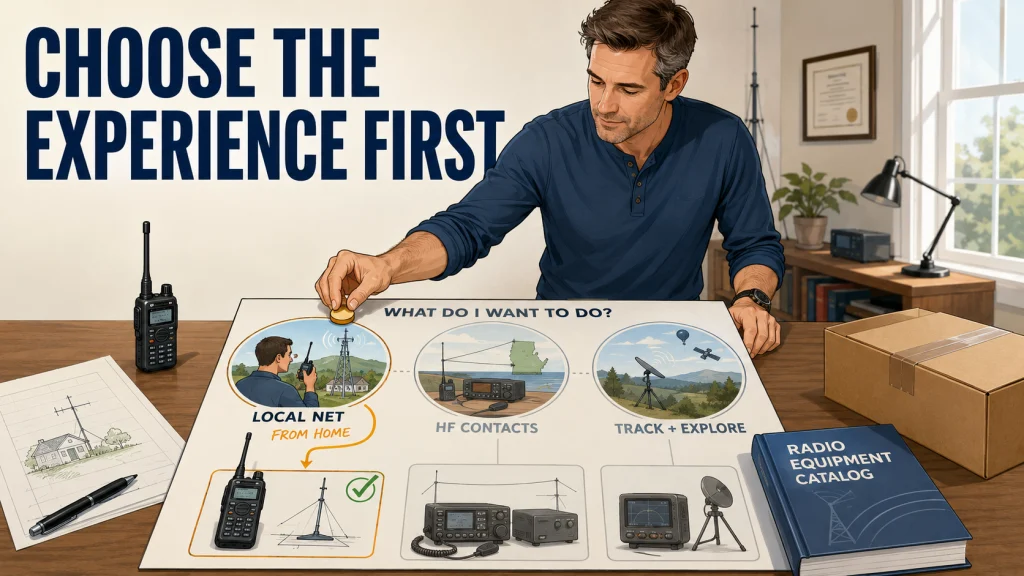
The question I wish someone had asked me at the start was not which radio I planned to buy. It was what I actually wanted to do with ham radio. Local repeater conversations, long-distance HF contacts, emergency communication, balloon tracking, and an ISS contact may all belong to the same hobby, but they lead a … Read more

What the Technician Exam Does Not Tell You: Notes From an Experienced Volunteer Examiner

What Technician Exam Does Not Tell You About Ham Radio

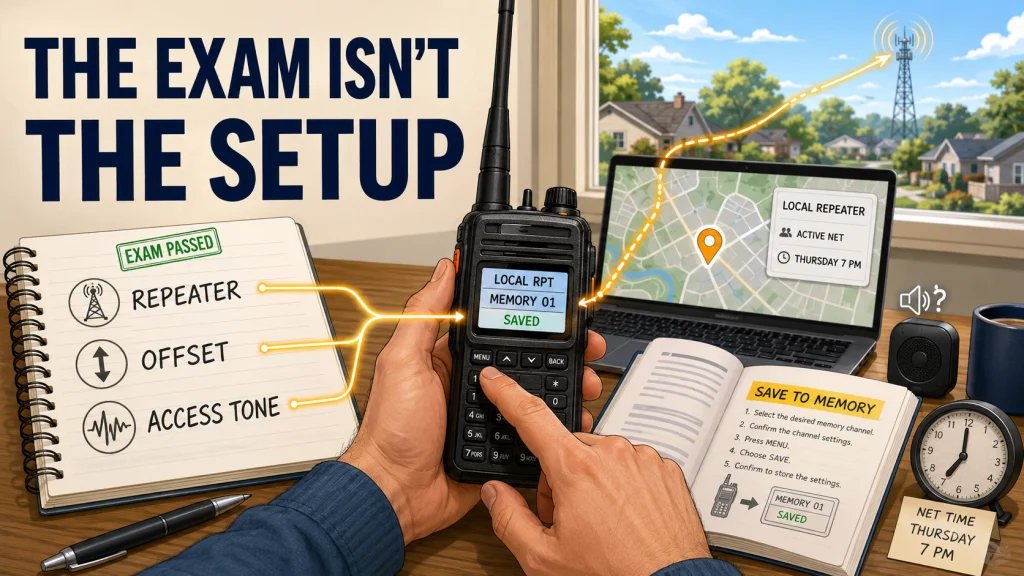
The Technician exam proves that you understand the basic rules, operating practices, radio theory, and safety needed to begin using amateur radio legally. It does not teach you how to find an active local repeater, program your own radio, recognize when a quiet frequency is normal, or plan a complete first station. Those gaps do … Read more

The Baofeng Legality Question That Comes Up at Ham Radio Exam Sessions

The Baofeng Question Ham Radio Exam Session

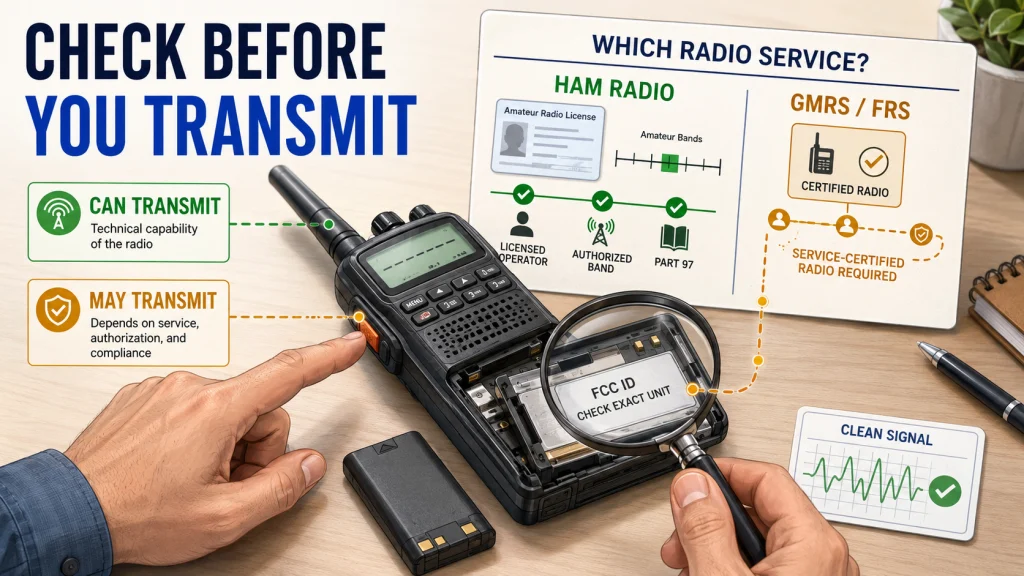
The Baofeng legality question at a ham radio exam session needs a conditional answer, not a verdict based on the logo. I separate it into four checks: the exact unit, the radio service, the operator’s privileges, and the compliance of the transmitted signal. That framework explains why lawful Part 97 use does not automatically make … Read more

Why Some New Hams Never Make Their First Contact: Three Barriers That Stop Them

Why New Hams Never Make First Contact

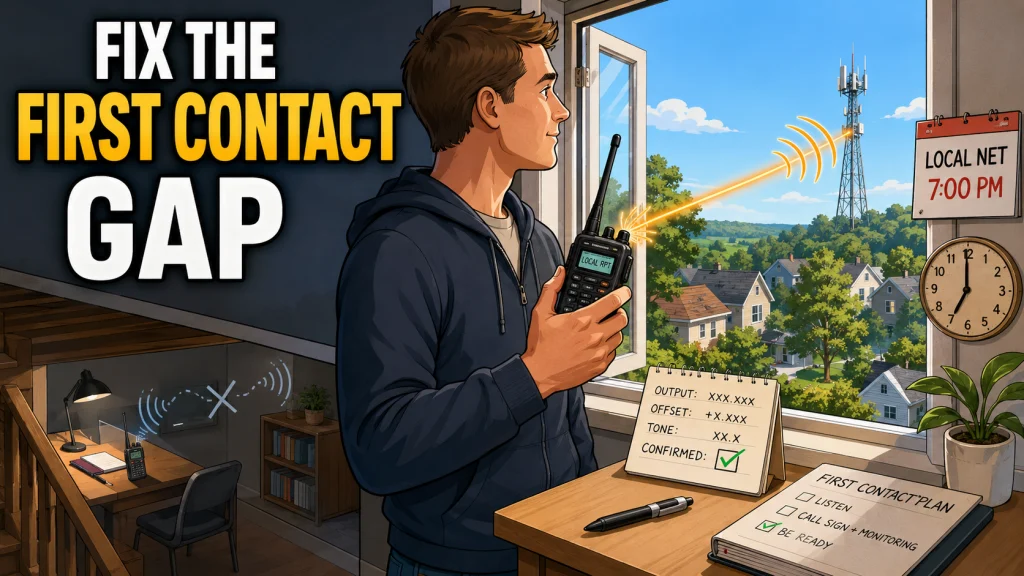
Some new hams never make their first contact because passing the exam solves the licensing problem, not the radio path, repeater setup, or fear of sounding wrong. I have seen candidates leave with a Technician pass, buy a handheld, and still never program a usable local repeater into it. The usual barriers are unrealistic expectations … Read more

What People Ask Me Right After They Pass the Ham Radio Exam

What People Ask After Passing Ham Radio Exam

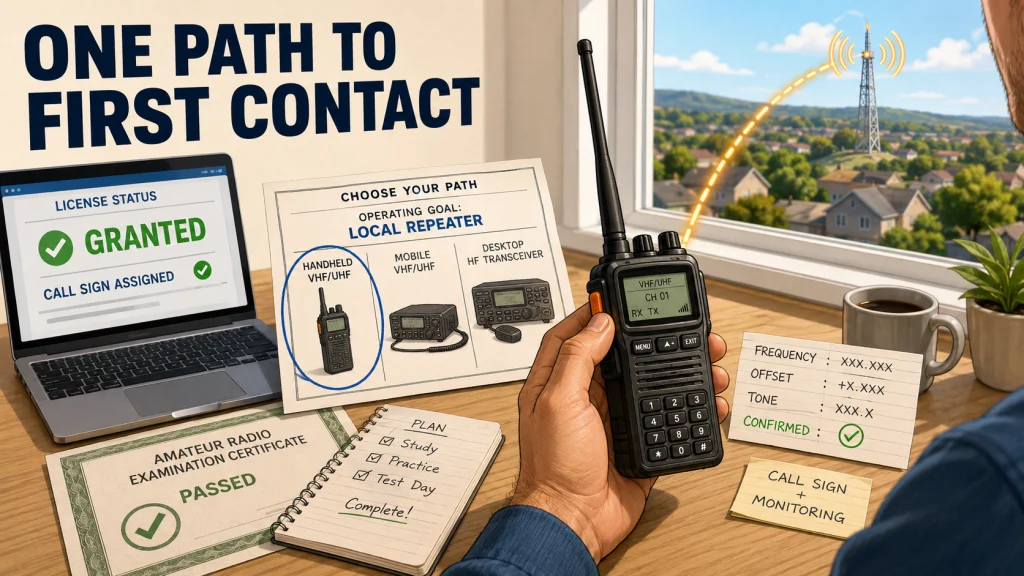
What people ask after passing a ham radio exam usually falls into three practical questions: when they may transmit, what kind of radio fits their goal, and what they should do first once the call sign appears. A first-time applicant must wait until the FCC license grant is visible in the Universal Licensing System before … Read more